
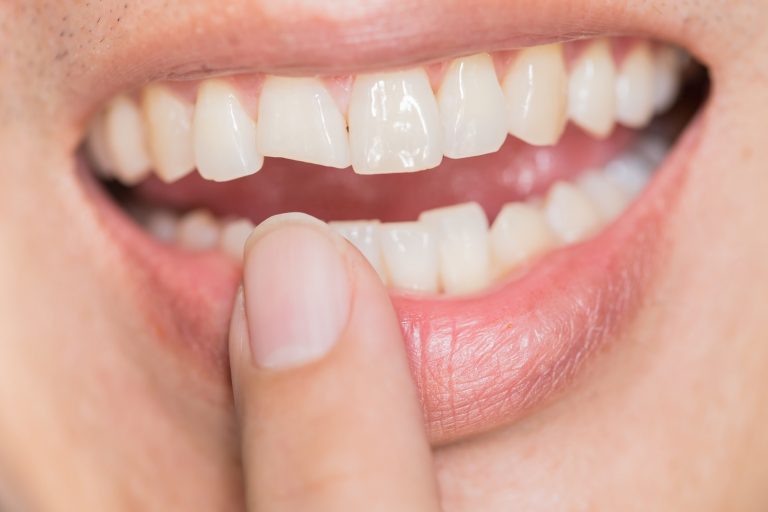
When it comes to dental mishaps, dealing with a chipped tooth can be a perplexing situation. Understanding the severity of the chip is crucial to determine the appropriate course of action. There are different types of chips, ranging from minor surface irregularities to more severe fractures that expose the inner layers of the tooth. Untreated chips can lead to further complications, making immediate care essential. As you navigate the intricacies of chipped teeth, this comprehensive guide will shed light on the various treatment options available, helping you make informed decisions about your oral health.
When faced with a chipped tooth, taking immediate care is of utmost importance to prevent further complications. The first step is to rinse the mouth with warm water and gently cleanse the chipped area. Applying a cold compress on the outside of the affected area can help reduce swelling and ease discomfort. It's crucial to avoid chewing on the side of the chipped tooth and opt for softer foods. Over-the-counter dental cement can provide a temporary fix until professional dental assistance can be sought. Remember, swift action and proper care can make a significant difference in preserving your oral health and ensuring a smoother recovery process.
As you seek to fix a chipped tooth, the severity of the damage plays a crucial role in determining the most suitable remedy. From minor surface irregularities to more extensive fractures that expose the inner layers of the tooth, understanding the different types of chips is essential. Immediate care becomes imperative, as untreated chips can lead to further complications. In this comprehensive guide, we explore various treatment options, ensuring you can make informed decisions about your oral health. When considering expert dental care, a trusted partner like Grin Dentistry can be instrumental in providing the support and solutions you need for a seamless dental experience.
When it comes to safeguarding your smile from further damage, implementing these essential tips for a chipped tooth is paramount. Be mindful of your food choices, avoiding hard or crunchy items that could exacerbate the condition. Additionally, refrain from using the chipped tooth for tearing or opening packages to prevent further harm. Prioritize good oral hygiene practices to ward off infection and decay around the affected area. During physical activities, consider wearing a mouthguard to shield your teeth from potential trauma. Regular dental check-ups are crucial for early detection and timely resolution of any developing issues. Exploring preventive measures like dental bonding or veneers can offer added protection against chipped teeth. Kick bad habits like nail-biting or chewing on pens to reduce the risk of tooth damage. Seeking professional advice for correcting misaligned or uneven teeth can also play a role in minimizing the chances of chipping. Lastly, fortify your dental health by incorporating calcium-rich foods into your diet, promoting strong teeth and enamel.
When it comes to enhancing your smile, dental bonding emerges as a versatile and cost-effective option. The dental bonding procedure involves applying a tooth-colored resin material to repair chipped or discolored teeth, close gaps, and even alter the shape of teeth. It's a straightforward process that typically requires minimal enamel removal, making it a less invasive solution compared to other cosmetic treatments. One of the major benefits of dental bonding is its natural appearance, seamlessly blending with your existing teeth. Moreover, the procedure is relatively quick, usually completed in one visit to your dentist's office. However, it's essential to consider certain factors such as the longevity of bonding material and potential staining. As you explore dental bonding as a potential option, understanding the procedure, its benefits, and important considerations will empower you to make informed decisions about achieving your desired smile.
Experience a smile transformation like never before with the magical touch of dental veneers. These wafer-thin shells, custom-made to fit over your teeth, can effortlessly conceal imperfections and create a flawless, picture-perfect smile. From correcting discolorations to reshaping misaligned teeth, dental veneers offer a versatile and long-lasting solution. The procedure involves minimal enamel removal, preserving the natural structure of your teeth while delivering remarkable aesthetic results. Bursting with confidence has never been easier as dental veneers provide an instant boost to your self-esteem. Embrace the beauty of your smile and embark on a journey towards aesthetic perfection with the wonders of dental veneers.
How to Fix a Chipped Tooth? |
|
|---|---|
| Step 1: |
Understanding the Severity of the Chip Differentiate between minor, moderate, and severe chips to determine the appropriate action. |
| Step 2: |
Immediate Care for a Chipped Tooth Rinse the mouth, manage pain, and explore temporary fixes like dental wax or over-the-counter dental cement. |
| Step 3: |
Avoiding Further Damage Be cautious with food choices, practice good oral hygiene, and consider dental bonding or veneers as preventive measures. |
| Step 4: |
Dental Bonding Learn about the dental bonding procedure, its benefits, and potential considerations. |
| Step 5: |
Dental Veneers Discover how dental veneers can transform smiles and address various cosmetic concerns. |
| Step 6: |
Dental Crowns Explore dental crowns as a possible solution for severe chips and their procedure details. |
| Step 7: |
Root Canal Treatment Understand when a root canal is necessary for a chipped tooth and what the procedure entails. |
| Step 8: |
Dental Implants Consider dental implants for severe cases and learn about the implantation process. |
| Step 9: |
Insurance Coverage and Financing Options Find out about dental insurance coverage and explore financing options for treatments. |
| Step 10: |
Preventive Measures for Future Dental Health Learn preventive tips to maintain oral health and avoid future chipped teeth incidents. |
Embark on a journey to restore your smile with the wonders of dental crowns. Dental crowns, also known as caps, are versatile dental restorations that encase damaged or weakened teeth, providing strength, protection, and aesthetic enhancement. These custom-made crowns fit snugly over the affected teeth, restoring their shape, size, and appearance. With various materials available, including porcelain, ceramic, and metal, dental crowns offer a tailored solution for your unique needs. Whether you seek to repair a chipped tooth or strengthen a tooth after a root canal treatment, dental crowns serve as a reliable option. Embrace the art of dental craftsmanship and experience a renewed sense of confidence with the transformative power of dental crowns.
Preserving your dental health is of utmost importance, and root canal treatment plays a significant role in achieving that goal. Root canal treatment, also known as endodontic therapy, is a dental procedure designed to address issues within the tooth's pulp, such as infection or inflammation. During the treatment, the infected pulp is carefully removed, and the inner chamber is cleaned, disinfected, and sealed. This restorative process helps salvage a severely damaged or infected tooth, preventing the need for extraction. Root canal treatment not only alleviates pain and discomfort but also ensures the long-term health and functionality of your natural tooth. Embrace the benefits of root canal treatment as a valuable tool in preserving your dental well-being and maintaining your radiant smile.
Embark on a journey to discover the cutting-edge realm of dental solutions through the revolutionary advancements of dental implants. Dental implants have transformed the landscape of restorative dentistry, offering a permanent and natural-looking solution for missing teeth. The implant process involves the insertion of a titanium post into the jawbone, providing a sturdy foundation for a custom-made crown. This comprehensive approach not only restores your smile but also preserves the health and integrity of neighboring teeth. Embrace the potential of dental implants as a game-changing solution, empowering you to regain confidence in your smile and enjoy a seamless dental experience like never before.
When it comes to accessing quality dental care, ensuring affordability is a top priority. Understanding your insurance coverage and exploring available financing options can make all the difference. Dental treatments, such as fixing a chipped tooth or undergoing cosmetic procedures, can incur costs, but navigating insurance plans and financing alternatives can help ease the financial burden. Investigating what your dental insurance covers and what out-of-pocket expenses may arise empowers you to make informed decisions about your oral health. Additionally, exploring flexible payment plans, dental financing programs, or partnerships with financing institutions opens up opportunities for a seamless dental experience without compromising on the quality of care. Prioritize affordability as you seek to maintain optimal dental health and embrace the various options that can make it all attainable.
Empower yourself with the knowledge of preventive measures for long-term dental well-being. Prioritizing your oral health goes beyond fixing a chipped tooth or addressing immediate concerns. It involves embracing a proactive approach to maintain healthy teeth and gums for years to come. Simple yet effective habits like regular brushing, flossing, and using mouthwash can significantly impact your dental health. Be mindful of your diet, limiting sugary and acidic foods that can erode enamel. Scheduling routine dental check-ups and cleanings can aid in early detection and prevention of potential issues. Protect your teeth during physical activities by using mouthguards, and avoid harmful habits like nail-biting or teeth grinding. As you delve into the world of dental well-being, these preventive measures will empower you to smile confidently and preserve your radiant smile for a lifetime.
Dental bonding is an effective technique to fix a chipped tooth. It involves applying a tooth-colored resin to the chipped area, which bonds to the tooth when exposed to a special light. The resin is shaped and polished to match the rest of the tooth, resulting in a seamless and natural-looking restoration.
Yes, dental veneers are a popular option for fixing a chipped tooth. Veneers are thin shells made of porcelain or composite material that are custom-made to cover the front surface of the tooth. They can effectively mask chips and other cosmetic imperfections, providing a natural-looking and durable solution.
If a chipped tooth is severe or has affected the tooth's structure, a dental crown may be recommended. Dental crowns are tooth-shaped caps that fit over the damaged tooth, providing strength, protection, and aesthetic improvement. They are especially beneficial when the chip is extensive or has weakened the tooth's integrity.
While there are temporary fixes available over-the-counter, it's essential to visit a dentist to properly fix a chipped tooth. Dentists have the expertise and tools to assess the severity of the chip and recommend the most suitable treatment, ensuring a long-lasting and reliable solution.